
What is Travel Trailer Height and Why Does It Matter?
Embarking on a road trip with a travel trailer offers incredible freedom. However, before you hit the open road, understanding key specifications like travel trailer height is essential. This vital measurement affects where you can go and ensures a safe, enjoyable experience. It’s not just about fitting into your garage; it’s about navigating bridges, tunnels, and even campground entrances.
Many new RVers overlook this critical detail, leading to potential headaches. Therefore, this guide will break down everything you need to know about travel trailer height. We will explore typical dimensions, factors that influence them, and provide practical tips for managing this aspect of your RV lifestyle.
Common Travel Trailer Heights Explained
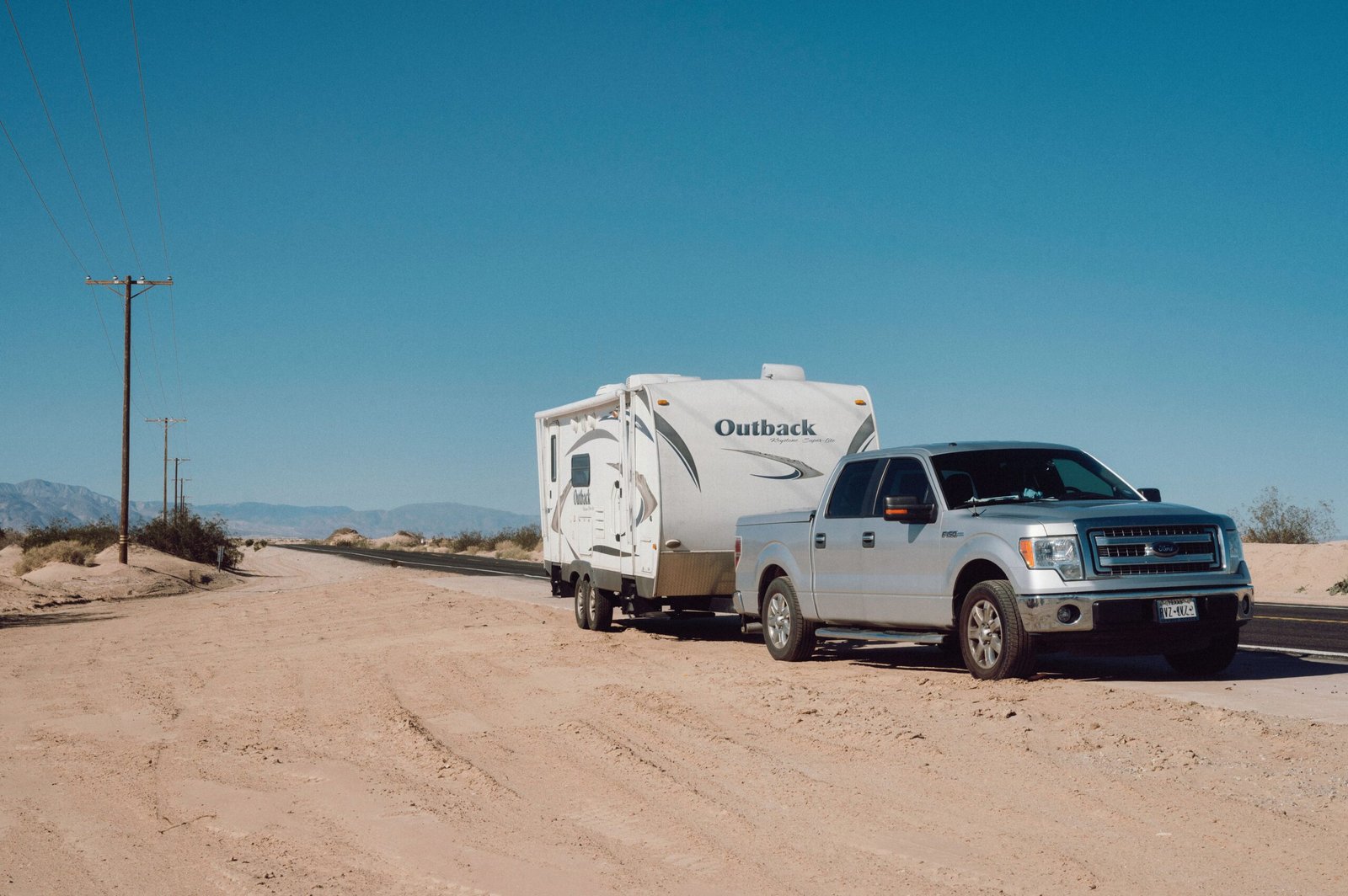
Travel trailer heights can vary significantly based on the trailer’s design and purpose. Most standard travel trailers, when measured from the ground to their highest point (usually the roof vent or AC unit), typically range from 8 to 13 feet. However, it’s important to differentiate between interior and exterior heights.
Exterior Height: This is the measurement from the ground to the highest point of the trailer. It is the most crucial for road clearance. Most manufacturers list this, and it generally falls between 9 and 12.5 feet for common models. For instance, smaller, lighter trailers might be around 9-10 feet, while larger, luxury models can reach 11-12.5 feet.
Interior Height: This refers to the headroom inside the trailer. Most standard travel trailers offer an interior height of 6 to 7 feet. Some taller models, especially those designed for very tall individuals or with raised ceilings, might offer more. Always check the specifications if interior comfort is a high priority.
Factors Influencing Travel Trailer Height
Several elements contribute to a travel trailer’s overall height. Understanding these can help you choose the right trailer for your needs and anticipate potential challenges.
- Tire Size: Larger tires naturally increase the trailer’s ground clearance and overall height.
- Axle Type: The placement and type of axles (e.g., standard, drop axles) can impact the trailer’s profile.
- Roof Features: Air conditioning units, vents, antennas, and solar panels all add to the exterior height.
- Body Design: Trailers with steeper roof pitches or raised sections will be taller.
- Chassis Construction: The frame and chassis design play a role in the final height.
It’s also worth noting that sometimes the advertised height might not include certain external additions like satellite dishes. Always confirm the exact height with the manufacturer or dealer, especially if you have specific clearance restrictions.
Tips for Managing Travel Trailer Height
Navigating roads with a travel trailer requires awareness of its height. Here are some practical tips to ensure you avoid obstacles:
- Know Your Trailer’s Height: Always have the exact exterior height of your trailer readily available. Keep a note inside your RV or a sticker on the dashboard.
- Look for Clearance Signs: Pay close attention to low-clearance signs on bridges, overpasses, tunnels, and in parking garages. These signs often indicate height limits in feet and inches.
- Measure Critical Clearances: If you’re unsure about a specific passage, it’s better to stop and measure if possible, or find an alternative route. Many GPS systems for RVs allow you to input your vehicle’s dimensions, including height, to help avoid low clearances.
- Be Mindful of Campgrounds: Some older campgrounds or those with heavily treed areas might have lower branches or tighter entrance points. Check campground reviews or call ahead if you have a taller trailer.
- Consider Your Tow Vehicle: Remember that your tow vehicle’s height, combined with the trailer’s height, dictates your total height. Ensure your rig can clear any obstacles.
By paying attention to your travel trailer height, you can prevent costly damage and ensure stress-free travels. Make informed decisions during your purchase and stay vigilant on the road. Happy camping in 2025!









Laisser un commentaire