
Does Radon Travel Upstairs? Answering Your Home Safety Questions
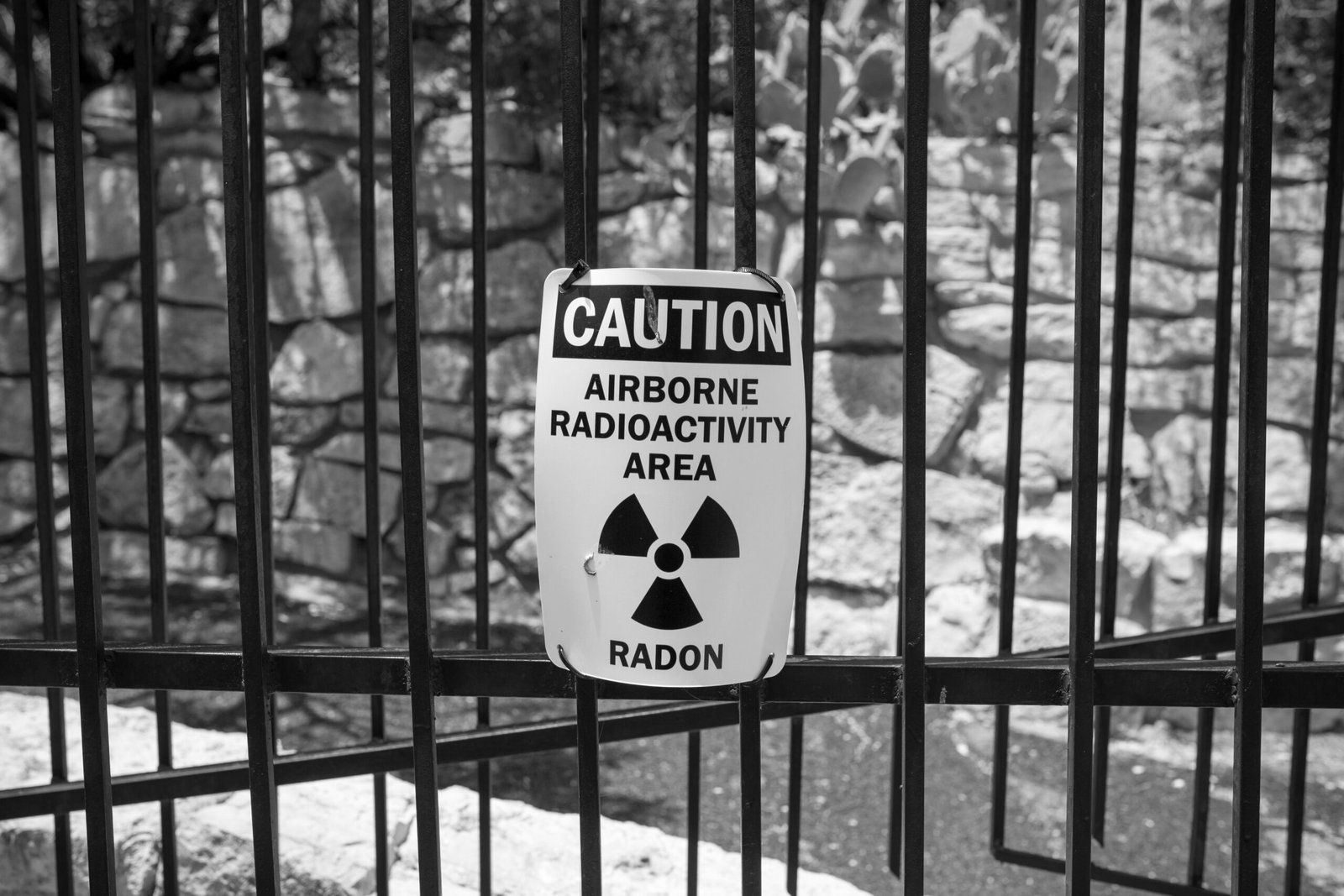
Radon is a naturally occurring radioactive gas. It has no color, no smell, and no taste. Therefore, you cannot detect it without proper testing. One common question homeowners ask is: does radon travel upstairs? The answer is yes, it can, and understanding how is vital for your health.
Radon forms from the natural decay of uranium in soil, rock, and water. This gas seeps into the ground and can then enter buildings through cracks and openings in the foundation. Because it is a gas, it can move through porous materials and air spaces. Consequently, it doesn’t necessarily stay in the lowest part of a building.
Understanding Radon Gas and Its Properties
Radon is heavier than air. However, this does not mean it stays confined to basements or crawl spaces. Think of it like smoke; while it might initially be denser, it will disperse into the surrounding air. Its movement is influenced by air pressure differences and temperature variations within the home.
Warmer air tends to rise. This natural convection current can carry radon gas upwards. Therefore, even if your basement has low radon levels, higher concentrations could exist on the floors above. This is a critical point to remember when considering radon safety.
How Radon Enters and Moves Through a Home
Radon gas enters homes primarily through the foundation. This includes cracks in concrete slabs, gaps around pipes, and construction joints. Additionally, it can enter through sump pits or unsealed floor drains. Once inside, its journey is not over.
The pressure inside a house is often lower than the pressure in the soil outside. This pressure difference, also known as the stack effect, draws soil gases, including radon, into the building. Furthermore, ventilation systems can circulate air throughout the entire house. This circulation can easily distribute radon from lower levels to upper floors.
Consider factors like airflow. Open stairwells and ventilation shafts act like chimneys, facilitating the upward movement of air. Therefore, radon can travel through these pathways. It can also diffuse through materials like drywall and concrete, further spreading it.
Why Testing All Levels is Essential
Given that radon can travel upwards, testing only the basement or lowest level might give a false sense of security. The highest radon concentrations are often found in living areas, even if they are on upper floors. This is because people spend significant time in these areas.
For accurate results, it is recommended to test every occupied level of your home. This includes the basement, first floor, and any other frequently used rooms. Test kits are readily available at hardware stores and online. Follow the instructions carefully for reliable results.
In conclusion, the question does radon travel upstairs has a clear ‘yes’. Radon’s nature as a gas means it can move throughout your home. Therefore, comprehensive testing of all levels is the only way to ensure your family’s safety. If levels are high, mitigation systems can effectively reduce radon concentration. Consult with a certified radon professional for advice and solutions in 2025.








Laisser un commentaire