
Finding the Nut Location for Your 1991 Newnam Mountain Aire Travel Trailer
The 1991 Newnam Mountain Aire travel trailer is a reliable companion for adventures. However, like any vehicle, it requires regular maintenance. Knowing the precise nut location for your 91 Newnam Mountain Aire travel trailer is essential for tasks ranging from minor adjustments to significant repairs. This guide aims to simplify that process for you.
Understanding where these fasteners are located not only saves you time but also prevents potential damage caused by incorrectly disassembling or reassembling parts. Moreover, it ensures that your trailer remains structurally sound and safe for travel. Therefore, a clear understanding of nut locations is a valuable piece of knowledge for any owner.
Why Knowing Nut Locations Matters
Locating the correct nuts is vital for several reasons. Firstly, it ensures you are working on the right components. Incorrectly loosening or tightening the wrong nuts can lead to serious problems. For example, tampering with suspension nuts can compromise your trailer’s stability on the road.
Secondly, having this information streamlines maintenance. When you need to perform routine checks, like inspecting wheel bearings or servicing the hitch, knowing the exact nut locations speeds up the process considerably. Additionally, for repairs, identifying the specific nuts involved prevents unnecessary disassembly, saving both time and effort. Consequently, this knowledge contributes to more efficient and effective upkeep.
Finally, safety is paramount. Proper maintenance, facilitated by knowing nut locations, ensures all parts are secure. This reduces the risk of component failure while you are traveling, protecting both your investment and your passengers. Therefore, take the time to familiarize yourself with these critical points.
Common Areas for Nuts on Your 1991 Newnam Mountain Aire
While specific locations can vary slightly, certain areas on your 1991 Newnam Mountain Aire commonly utilize nuts. These include:
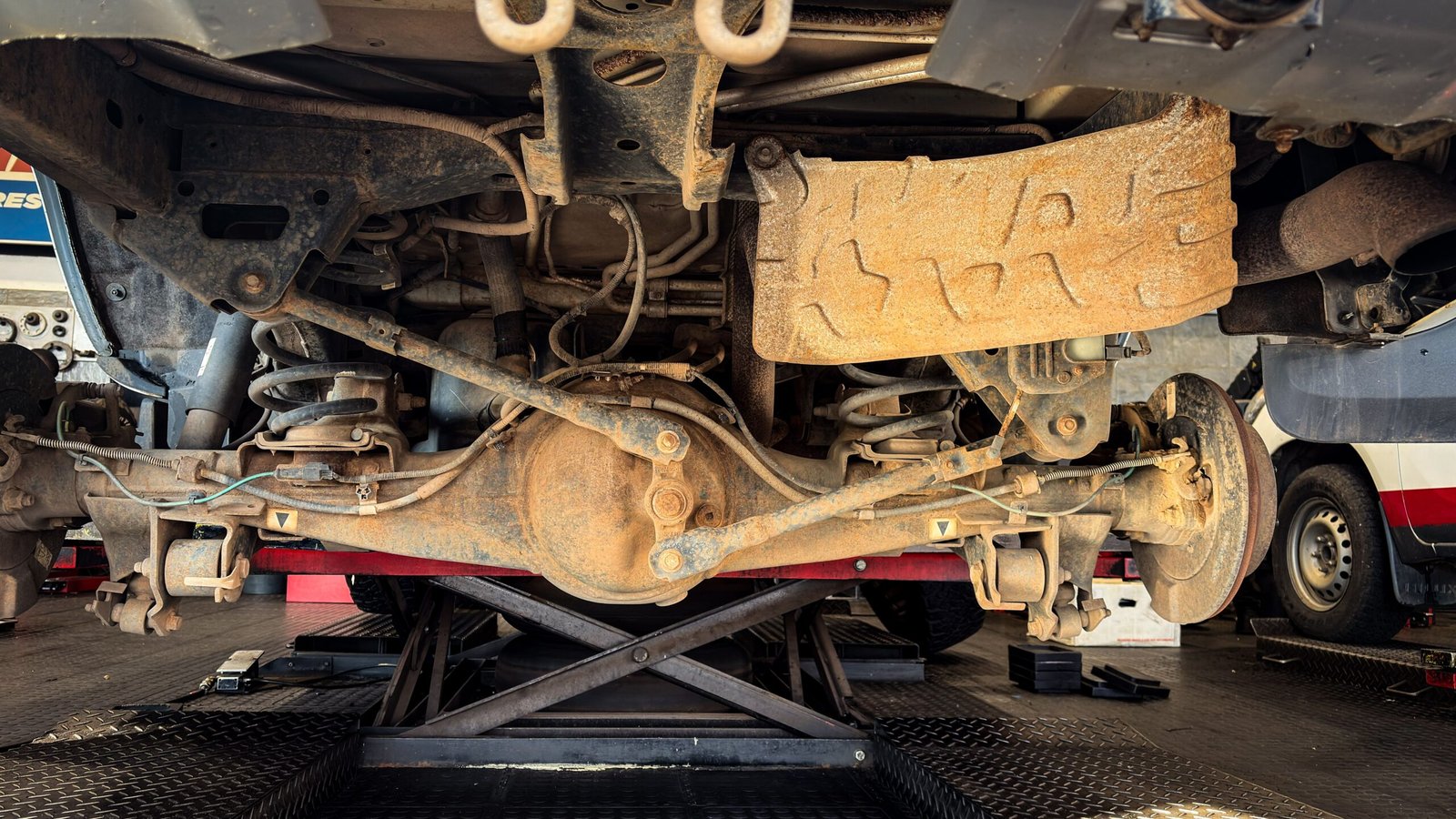
- Chassis and Frame: Nuts are frequently used to secure structural components, suspension parts, and outriggers to the main frame. Check areas around the axle mounts and any frame reinforcements.
- Body Panels: Many exterior body panels, such as fender wells and skirting, are attached using bolts and nuts. Look for these along the edges and where panels meet.
- Interior Components: Furniture, cabinets, and appliance mountings inside the trailer often rely on nuts for secure attachment. Inspect the underside of cabinets and around fixed appliances.
- Plumbing and Electrical: While less common for exposed nuts, some internal brackets for plumbing or electrical systems might use them. These are typically accessed from within storage compartments or access panels.
- Hitch Assembly: The main hitch components are heavily secured with bolts and nuts. Ensure these are regularly inspected for tightness and proper seating.
Remember to always use the correct size and type of wrench when working with nuts. Over-tightening or using the wrong tool can strip threads or damage the nut itself.
Troubleshooting and Maintenance Tips
When performing maintenance, it’s a good practice to document or photograph the nut locations before removal. This is especially helpful if you are undertaking a complex repair. If you encounter a nut that is seized or difficult to remove, use a penetrating lubricant and allow it to soak in before attempting to turn it. Always wear appropriate safety gear, such as gloves and eye protection.
For ongoing maintenance in 2025, consider creating a checklist. This list should detail the nuts you need to inspect, their general locations, and the recommended torque specifications if available. Furthermore, consult your trailer’s owner’s manual if you still have it, as it may contain detailed diagrams. If not, online forums dedicated to Newnam trailers can be an excellent resource for specific information and community advice.
By understanding the general nut location for your 91 Newnam Mountain Aire travel trailer and following these maintenance tips, you can ensure your trailer remains in top condition for many years of enjoyable travel.








Laisser un commentaire