
Should You Travel and Turn Off Gas? A Comprehensive Guide
Planning a trip is exciting. However, before you embark on your adventure, taking a moment to ensure your home is secure is vital. A key aspect of this is understanding when to travel and turn off gas appliances. This simple precaution can prevent potential hazards and save you money.
Why Turning Off Gas is Important Before Travel
Leaving your home unattended for an extended period carries certain risks. Gas leaks are a serious concern. If an appliance malfunctions or a pipe is damaged while you are away, a gas leak could go unnoticed, potentially leading to dangerous situations. Furthermore, some gas appliances, like water heaters or pilot lights, continuously consume energy. Turning them off can lead to noticeable savings on your utility bills.
Therefore, considering whether to travel and turn off gas is not just about safety; it’s also about responsible home management. It gives you peace of mind, knowing that you’ve taken proactive steps to protect your property and loved ones.
When to Turn Off Gas for Travel
The decision to turn off your main gas supply usually depends on the duration of your trip and your comfort level with risk. For short trips, typically less than a week, it might not be strictly necessary, especially if all appliances are in good working order. However, for longer vacations, such as those lasting several weeks or months, turning off the gas is highly recommended. This significantly reduces the risk of undetected leaks.
Additionally, consider turning off gas if you are leaving during extreme weather conditions. A sudden temperature drop could affect your heating system. If you have any doubts about the safety or efficiency of your gas appliances, it is always best to err on the side of caution. Remember, the goal when you travel and turn off gas is to minimize potential problems.
Specific Appliances to Consider
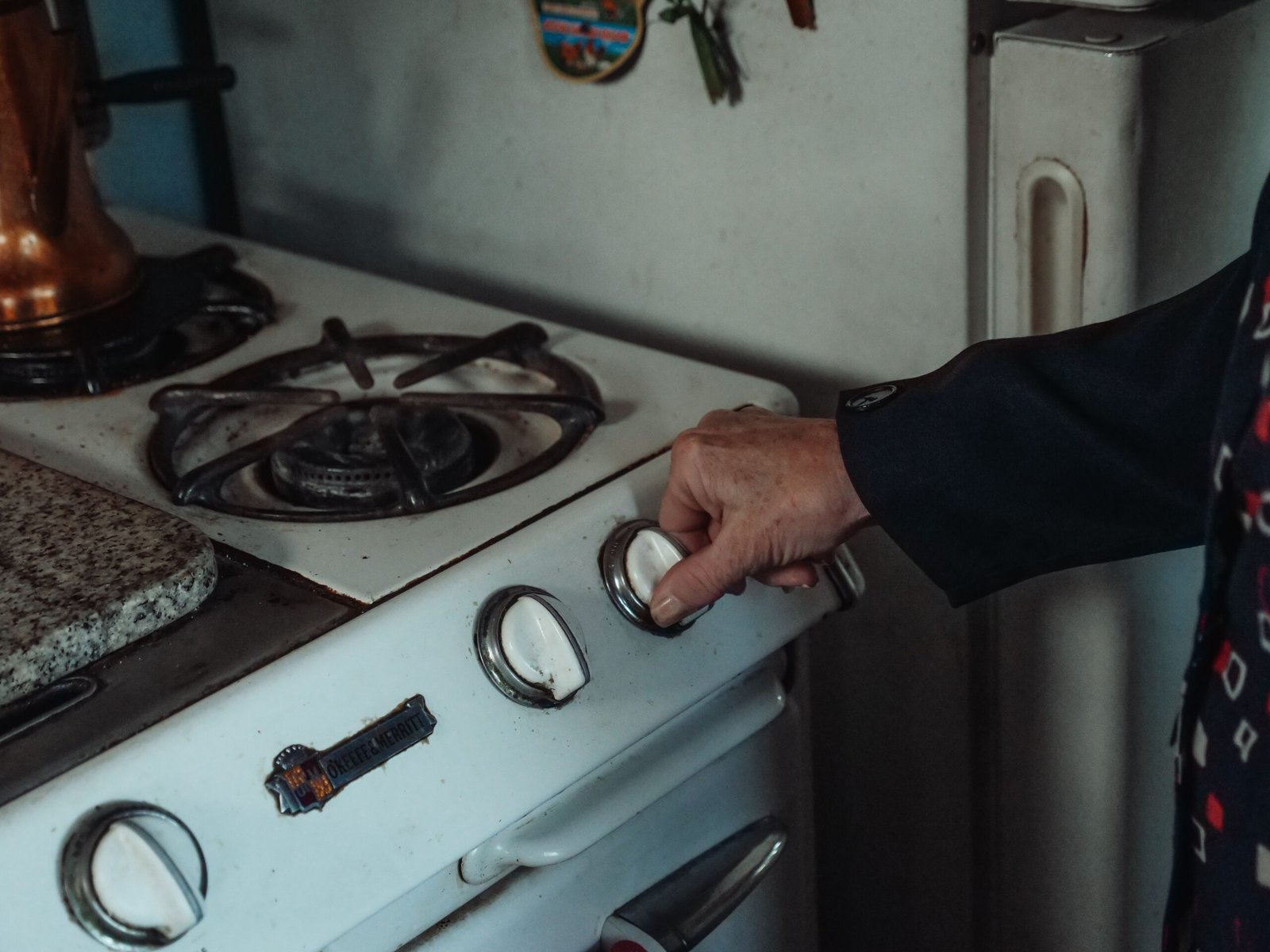
- Pilot lights on stoves or water heaters
- Gas fireplaces
- Outdoor gas grills or heaters
- Gas dryers
For these items, simply turning off the individual appliance may suffice for shorter absences. However, for extended travel, shutting off the main supply is the most secure option.
How to Safely Turn Off Your Gas Supply
Turning off your main gas supply involves locating the gas meter. This is usually found on an exterior wall of your house or near where the gas line enters your home. You will typically see a shut-off valve on the pipe connected to the meter.
To turn off the gas, you need to rotate the valve handle so it is perpendicular (at a 90-degree angle) to the gas pipe. Make sure you have the correct tool if the valve is stiff. It is important to note that turning the gas off at the meter usually requires a professional to turn it back on. This is a safety measure implemented by gas companies. Therefore, before you travel and turn off gas, consider the re-lighting process.
Alternatively, many modern appliances have their own shut-off valves. You can often turn these off individually without affecting the main supply. This is a less drastic measure and may be suitable for shorter trips. Always consult your appliance’s manual or a qualified professional if you are unsure.
In conclusion, knowing when to travel and turn off gas is a crucial part of responsible travel planning for 2025. It ensures your home’s safety and can lead to cost savings. By following these guidelines, you can leave with greater peace of mind.








Laisser un commentaire