
Do Deer Travel the Same Path Every Day? Unraveling Their Movement Patterns
A common question among nature enthusiasts and those who live in deer-populated areas is: do deer travel the same path every day? The simple answer is not always, but they often stick to familiar routes. Deer are influenced by a variety of factors that shape their daily movements. Therefore, their paths can change based on these conditions.
Understanding these patterns helps us appreciate their behavior and predict their activity. This knowledge is valuable for wildlife observation and managing interactions between humans and deer.
Understanding Deer’s Daily Routine
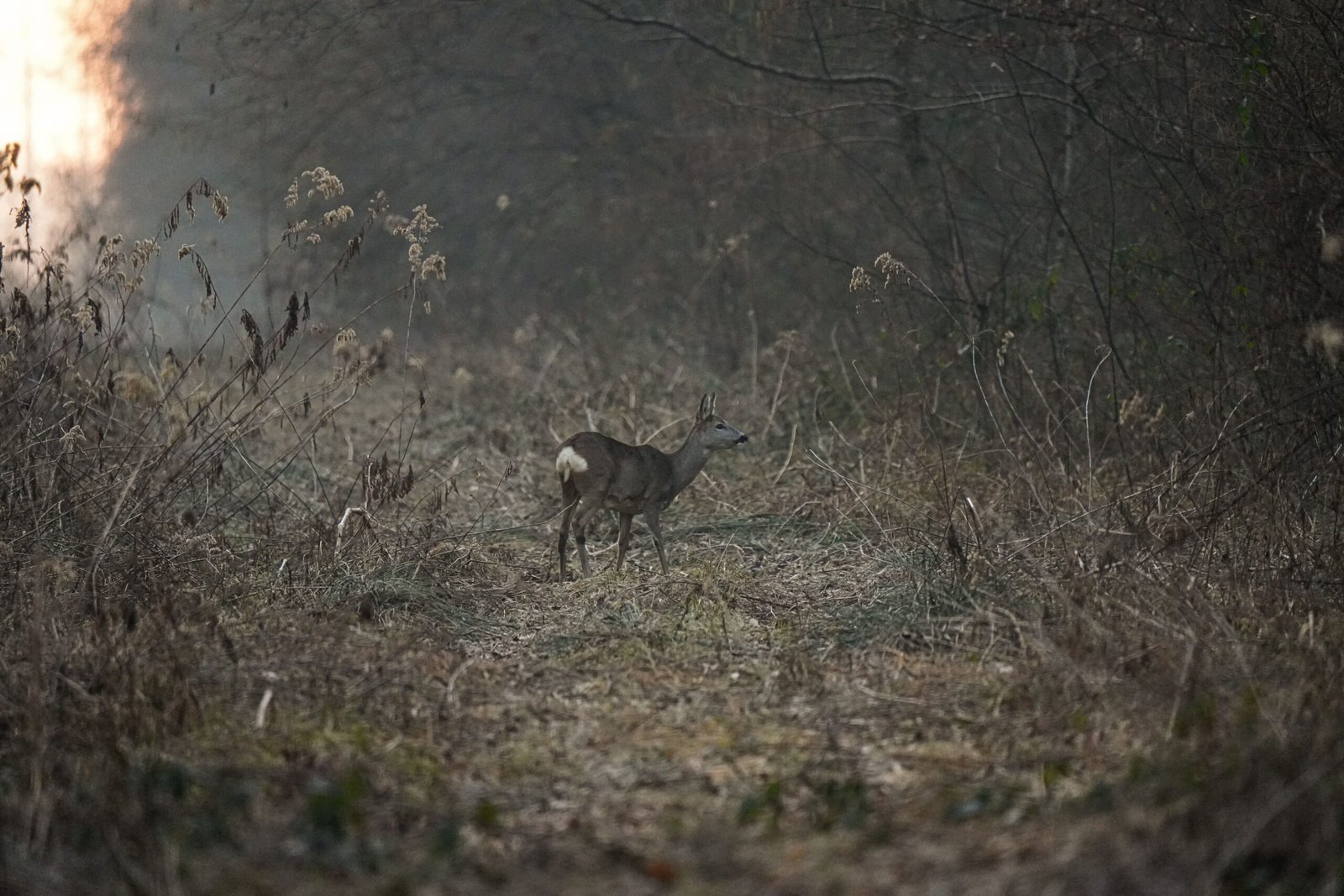
Deer typically follow established travel corridors. These are routes they use regularly to move between key areas like feeding grounds, water sources, and bedding areas. These paths are often worn down over time, making them visible. This makes it seem like they are always taking the same route.
However, these are not rigid, daily circuits. Deer movement is primarily driven by their need to find food, water, and shelter. They also seek safety from predators. Consequently, their routes adapt to the availability of resources and perceived threats.
Factors Influencing Deer Paths
Several elements can alter a deer’s established path:
- Food Availability: When food sources change, deer will adjust their routes to reach new feeding spots. For instance, crops may ripen at different times, or natural vegetation might flourish in new areas.
- Water Sources: Drought or heavy rainfall can affect water availability, prompting deer to seek out different watering holes.
- Predator Activity: If a deer perceives increased danger from predators (like coyotes or humans) in a usual area, it will likely change its path to avoid that zone.
- Weather Conditions: Harsh weather, such as heavy snow or extreme heat, can force deer to find more sheltered or cooler routes.
- Human Activity: Construction, increased traffic, or new human presence can disrupt deer trails, leading them to create new ones.
Additionally, seasonal changes play a significant role. For example, during the mating season (rut), bucks may travel more widely in search of does, deviating from their usual paths. Fawns also learn routes from their mothers, but their own explorations can lead them to discover new corridors.
Are Deer Creatures of Habit?
Yes, to a certain extent, deer are creatures of habit. They generally prefer the security of familiar surroundings and established trails. This is because these paths are known to be safe and lead to essential resources. Therefore, they often do travel familiar paths.
However, their habits are flexible. They are not locked into a precise, unchanging schedule. Their instinct for survival and adaptation means they can and will alter their routes when necessary. So, while you might often see deer using the same general areas, assuming they follow the exact same path every single day is an oversimplification. Their movements are a dynamic balance between routine and response to their environment.







Laisser un commentaire