
How Far Does 12 Gauge Birdshot Travel?
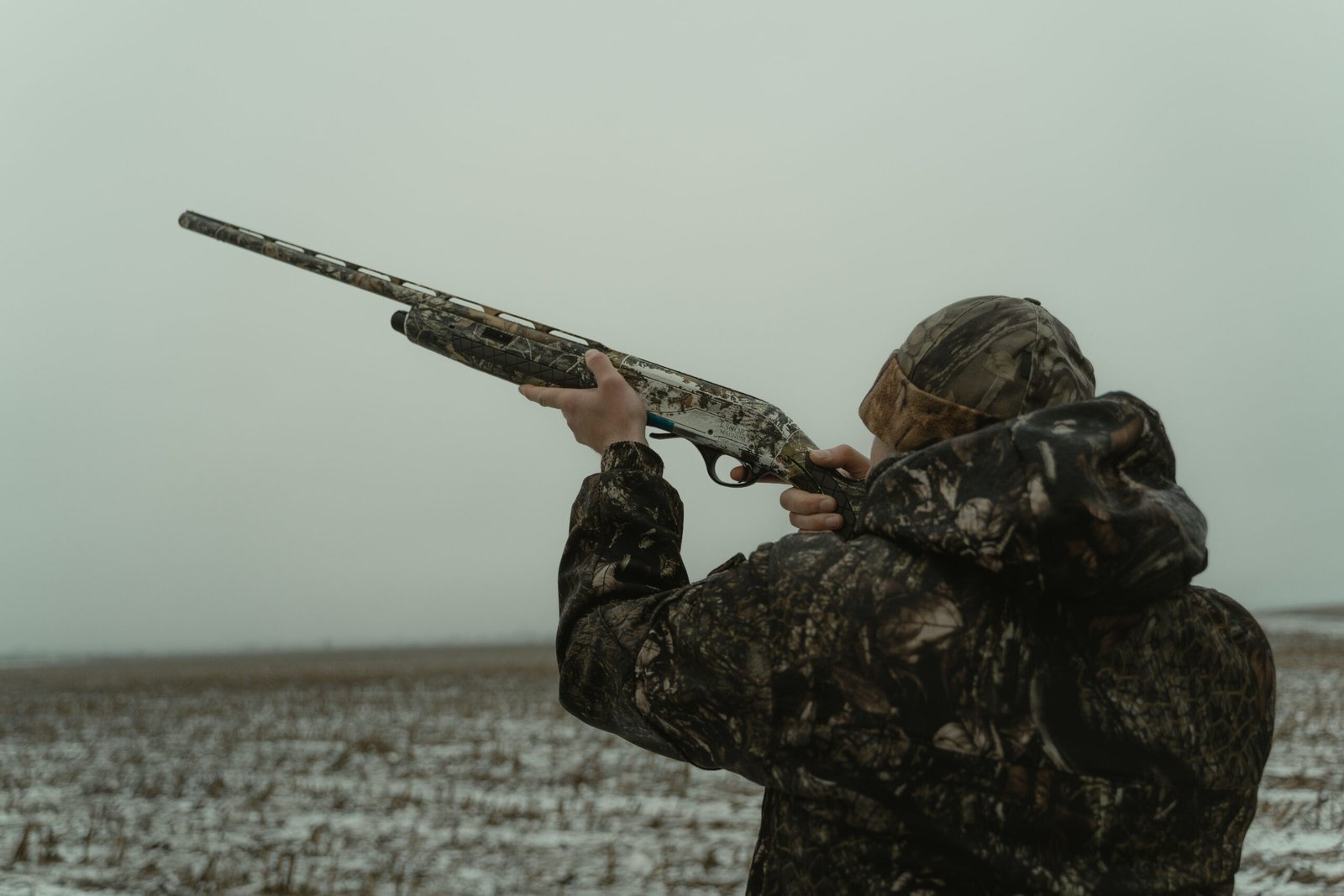
The question of how far does 12 gauge birdshot travel is a common one, especially for hunters and sport shooters. Understanding the effective range and potential travel distance of birdshot is vital for both success in the field and ensuring safety. Several factors influence this distance, making it more of a spectrum than a single number.
Birdshot consists of small pellets, typically made of lead or steel. The size of these pellets, known as the shot size, plays a significant role. Smaller pellets, like #8 birdshot, are common for small game and clay targets. Conversely, larger pellets, such as #4 buckshot (though technically not birdshot, often grouped in similar discussions), are designed for larger game. The larger the pellet, the further it generally retains energy, but the fewer pellets are in the shell.
Furthermore, the material of the shot is important. Lead pellets are denser and retain energy better than steel pellets of the same size. However, steel shot is often used for waterfowl hunting to comply with regulations that prohibit lead shot in certain areas. Consequently, steel shot may have a shorter effective range due to its lower density.
Factors Influencing Birdshot Travel Distance
Several key elements determine how far does 12 gauge birdshot travel:
- Shot Size: Smaller pellets lose velocity and energy faster than larger pellets. This means #8 birdshot won’t travel as far with significant energy compared to larger shot sizes.
- Pellet Material: Lead is denser than steel. Therefore, lead pellets generally maintain their velocity and energy for longer distances than steel pellets.
- Powder Charge: The amount and type of gunpowder in the shotshell dictate the initial velocity of the pellets. A higher powder charge generally results in a higher muzzle velocity, increasing potential range.
- Wadding: The wad separates the powder from the shot and seals the barrel. It also helps control the shot’s pattern. Different wads can affect the shot’s velocity and spread.
- Barrel Length and Choke: While less impactful on the pellets themselves once they leave the barrel, the shotgun’s barrel length and choke can influence the shot pattern and overall effectiveness at different distances. A tighter choke can keep the shot pattern tighter for longer.
It’s important to differentiate between the maximum distance a pellet can travel and its effective range. The effective range is the distance at which the shot is still capable of incapacitating its intended target. Maximum range is simply how far the pellet can physically travel before stopping.
Effective Range vs. Maximum Range
For typical birdshot loads, like #7.5 or #8 shot used for upland game or clay pigeons, the effective range is generally considered to be around 30-40 yards. Beyond this distance, the pellets begin to spread significantly, and each individual pellet loses enough energy to reliably kill. For instance, at 50 yards, a #7.5 pellet might still reach the target, but its impact energy will be considerably reduced.
Larger shot sizes, or buckshot loads, will have longer effective ranges. However, even then, the concept of maximum travel distance is different. A pellet of birdshot can theoretically travel hundreds of yards, but it will have lost almost all of its energy and accuracy long before that. For context, a lead #8 pellet might travel over 200 yards, but it would be ineffective and harmless at such distances.
Safety Considerations for Birdshot
Understanding how far does 12 gauge birdshot travel is paramount for safety. While birdshot is designed for smaller targets, its pellets can still travel a considerable distance. Never assume a shot is harmless just because it’s birdshot. Always be aware of your surroundings and what lies beyond your target.
When shooting, ensure you have a clear line of sight and a safe backstop. This backstop should be able to stop all projectiles, including errant shots or ricochets. For shotgun slugs and buckshot, the required backstop is more substantial than for birdshot. However, even small pellets can travel unexpectedly far and pose a risk to people or property outside your intended shooting area. Always follow the safe shooting practices recommended by firearm safety organizations and local regulations. Remember, responsible gun ownership includes understanding your ammunition’s capabilities and limitations.







Laisser un commentaire