
Your Journey to Becoming a Travel Videographer
Are you passionate about exploring new places and telling stories through video? If so, a career as a travel videographer could be an exciting path for you. This role combines a love for adventure with creative filmmaking. You’ll document incredible destinations and experiences, creating compelling visual narratives.
But what exactly does a travel videographer do, and how can you become one? This guide will explore the essential steps and considerations for launching your career in this dynamic field. We’ll cover the necessary equipment, crucial skills, and practical advice to help you succeed.
What Does a Travel Videographer Do?
A travel videographer captures high-quality video footage of various locations, cultures, and activities around the world. Their work often appears in travel documentaries, promotional videos for tourism boards, vlogs, and online travel content. They are storytellers who use visuals to transport viewers to different places. Therefore, they need a good eye for composition and a knack for editing.
The job involves planning shoots, often in challenging environments. This requires adaptability and problem-solving skills. Furthermore, travel videographers must understand lighting, sound, and camera operation to produce professional results. They might work independently or for production companies.
Essential Gear for Aspiring Travel Videographers
Starting as a travel videographer doesn’t require the most expensive equipment. However, certain gear is crucial for quality output. Firstly, you’ll need a reliable camera capable of shooting in high definition, preferably 4K. Many mirrorless or DSLR cameras are excellent choices for this.
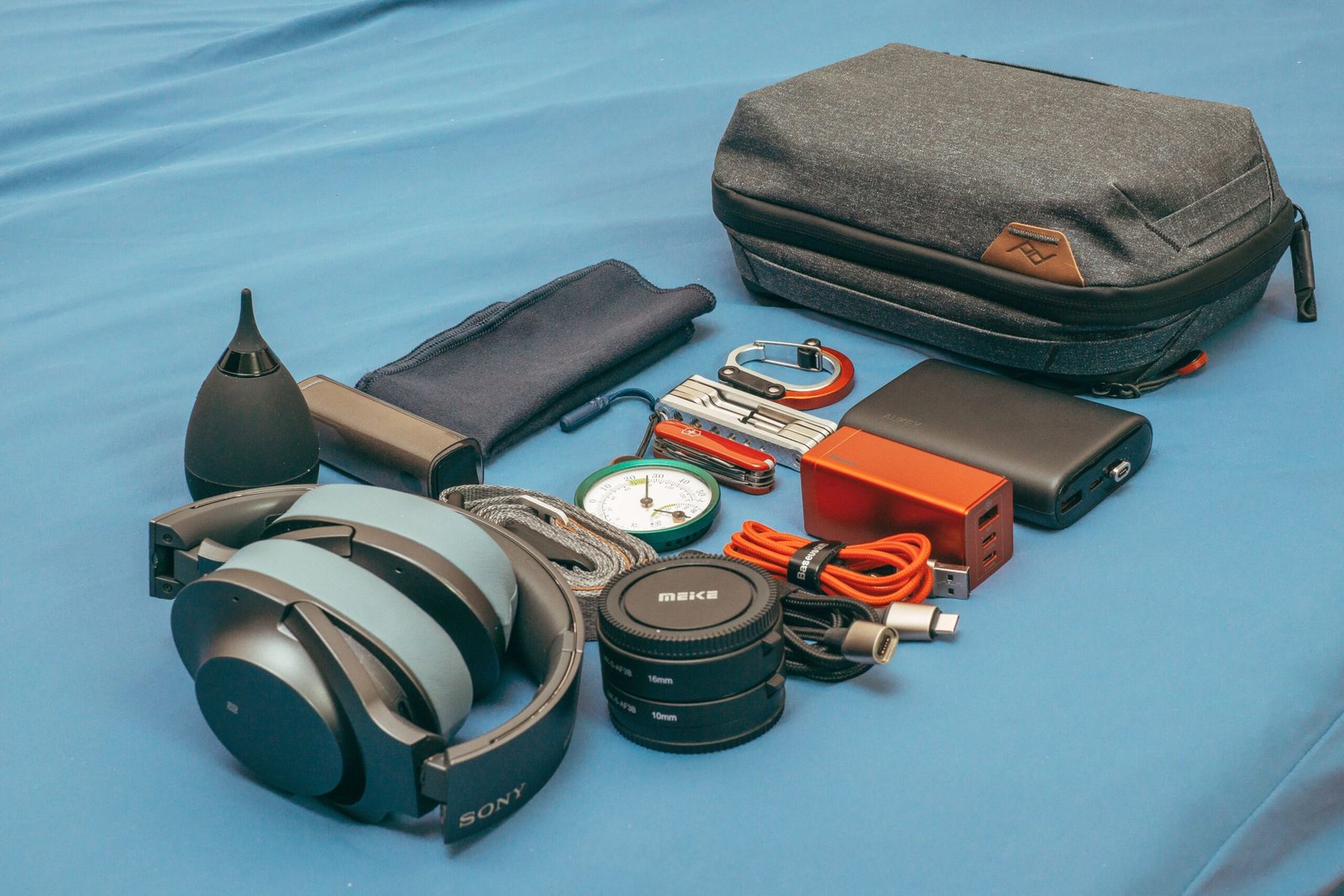
Additionally, consider these items:
- Lenses: A versatile zoom lens and a prime lens for low light are highly recommended.
- Tripod: A sturdy tripod ensures stable shots, which is vital for professional-looking footage.
- Microphone: Good audio is as important as good video. An external microphone will significantly improve sound quality.
- Drone: Drones offer breathtaking aerial shots that can elevate your travel videos. Ensure you understand local regulations.
- Editing Software: Proficiency in software like Adobe Premiere Pro or Final Cut Pro is essential.
- Storage: Plenty of memory cards and external hard drives are necessary for backing up footage.
Invest in gear that fits your budget and gradually upgrade as your career progresses. Always prioritize reliability and ease of transport when traveling.
Key Skills Every Travel Videographer Needs
Beyond technical skills, several soft skills are vital for a successful travel videographer. Firstly, strong storytelling ability is paramount. You need to craft a narrative that engages the audience. Secondly, adaptability is key. Travel often presents unexpected challenges, from weather changes to logistical issues. Being able to adjust your plans quickly is essential.
Furthermore, communication skills are important, especially when working with clients or locals. You must be able to convey your vision clearly. Additionally, patience and persistence are necessary, as getting the perfect shot can take time. Finally, understanding basic marketing and business skills will help you find clients and manage your career effectively. Developing these skills takes time and practice.






Laisser un commentaire