
Irish Travellers and the Significance of Murphy Village
The term ‘Irish Travellers’ refers to a distinct ethnic minority group with a unique culture and history. They are often mistakenly conflated with the wider Irish population. Understanding their heritage is crucial, and the story of Murphy Village offers a significant insight into their past. This article will explore who Irish Travellers are and the importance of Murphy Village in their narrative.
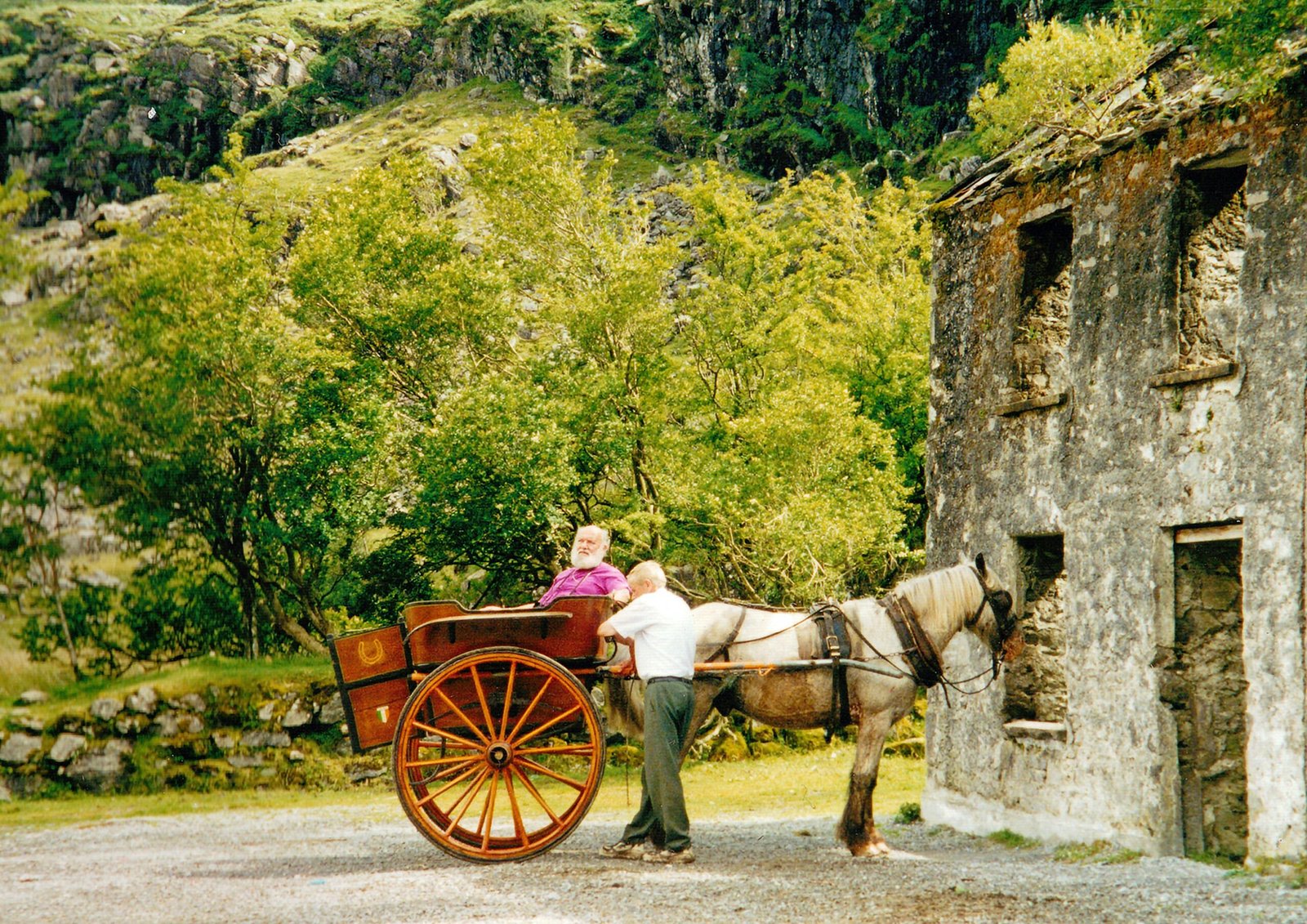
Irish Travellers have a distinct nomadic tradition, though many now live in settled accommodations. Their language, Shelta (or Gammon), is a secret dialect passed down through generations. Furthermore, their community structure is strong, with deep-rooted family ties and traditions. Consequently, they possess a rich cultural identity that sets them apart. Therefore, learning about them requires looking beyond common stereotypes.
Who are the Irish Travellers?
Irish Travellers are an indigenous nomadic people of Ireland. They have a shared history, culture, and kinship system. Their origins are a subject of ongoing research, but evidence suggests they have been a distinct group for centuries. They have faced significant social and economic challenges throughout their history. Despite these difficulties, they have maintained their unique identity.
Their traditional way of life involved itinerancy, often following seasonal work. This nomadic lifestyle shaped their social structures and cultural practices. However, societal changes and government policies have led to increased settlement in recent decades. This transition presents both opportunities and challenges for the community. Consequently, discussions about Traveller accommodation and integration remain important.
What is Murphy Village?
Murphy Village, located in Co. Meath, Ireland, is a significant historical site associated with the Irish Traveller community. It represents a key point in the history of Traveller settlement. The village was established in the mid-20th century as a place for Travellers to live. It became a symbol of both community resilience and the challenges faced by Travellers in securing adequate housing. Therefore, studying Murphy Village provides valuable historical context.
The establishment of Murphy Village was a response to specific social conditions of the time. It aimed to provide a more permanent base for families who had previously lived a nomadic existence. However, conditions within the village often reflected broader issues of marginalisation and underdevelopment. Consequently, it serves as a case study for understanding Traveller experiences in settled environments.
The Cultural Identity of Travellers
The culture of Irish Travellers is vibrant and deeply ingrained. It includes unique customs, music, storytelling, and social etiquette. Family is central to their lives, and community bonds are extremely strong. Moreover, their distinct dialect and traditions contribute to their unique identity. Therefore, respecting and understanding these cultural aspects is essential.
In conclusion, understanding the Irish Travellers and the context of places like Murphy Village is vital for appreciating Ireland’s diverse social fabric. It requires moving past misconceptions and engaging with their history and culture respectfully. Learning more about this unique ethnic minority fosters greater understanding and inclusivity in 2025.






Laisser un commentaire