
Master Your Travel Trailer Waste Valve: The Complete Guide
A properly functioning travel trailer waste valve is crucial for any RV owner. It controls the flow of wastewater from your tanks. Without a reliable valve, your trips can quickly become messy and unpleasant. Therefore, understanding these components is essential for maintaining your recreational vehicle.
Many new RVers overlook the importance of these valves until a problem arises. This can lead to frustrating situations on the road. However, with the right knowledge, you can prevent issues and ensure your plumbing system works perfectly.
Why Your Travel Trailer Waste Valve Matters
The waste valve, also known as a black or gray water valve, is a gatekeeper. It sits between your RV’s holding tanks and the exterior dump hose connection. When you need to empty your tanks, you open this valve. This allows the wastewater to flow out.
A good valve ensures a secure seal when closed. This prevents leaks and odors from entering your RV. Conversely, a faulty valve can cause significant problems. Leaks can damage your RV’s underbelly and create unsanitary conditions. Furthermore, unpleasant smells can ruin your camping experience.
Types of Travel Trailer Waste Valves
There are primarily two types of valves you’ll encounter:
- Gate Valves: These are the most common type. They use a flat or curved gate that slides open or closed. They are relatively simple and robust. Many older RVs come equipped with them.
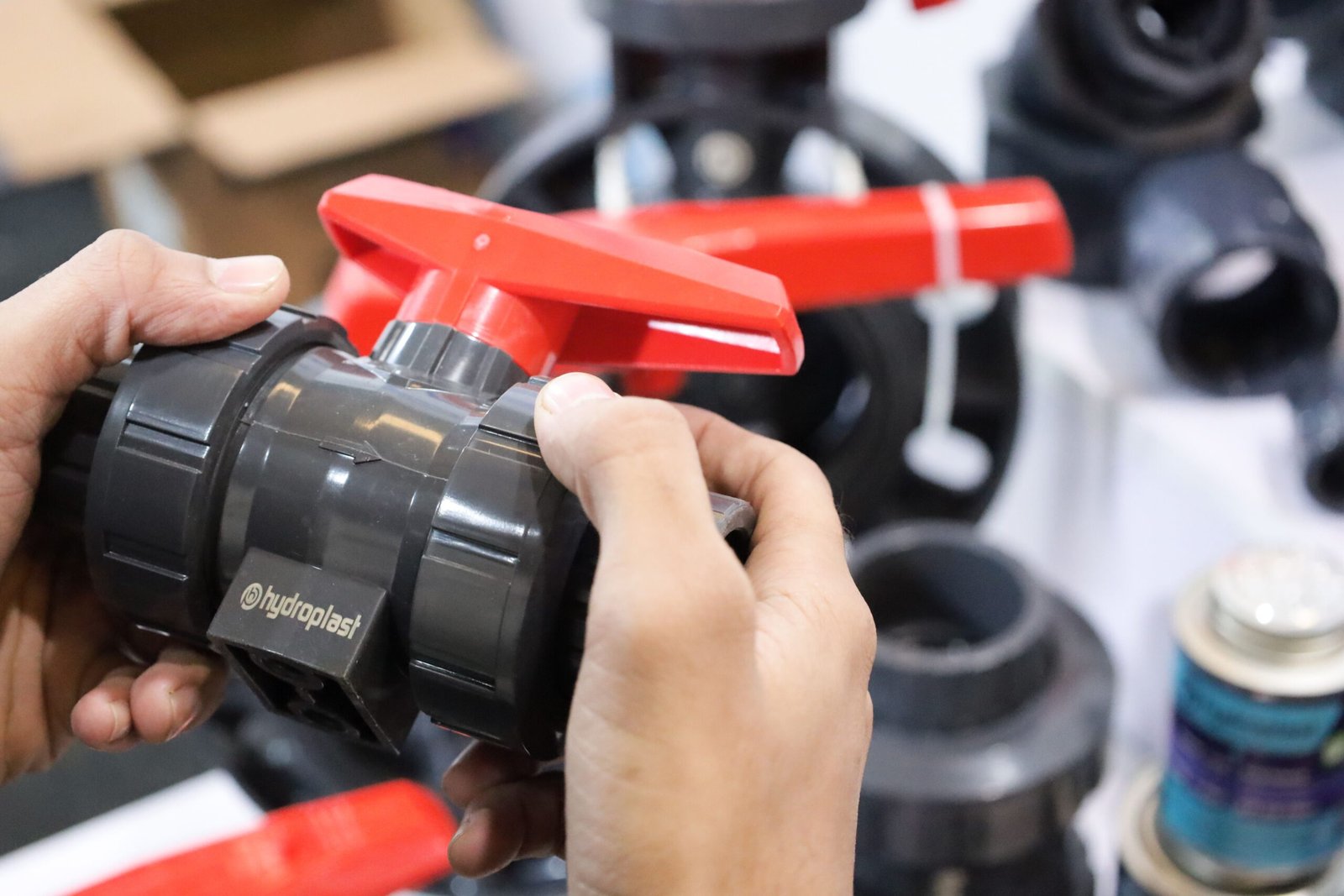
- Ball Valves: These valves use a rotating ball with a hole through it. Turning the handle aligns the hole to allow flow or blocks it when rotated. They often offer a more positive shut-off than gate valves.
Within these types, you’ll also find variations in material and mechanism. Some are cable-operated, while others are directly attached to the tank outlet.
Choosing the Right Valve: Key Considerations
When selecting a new travel trailer waste valve, consider these factors:
- Compatibility: Ensure the valve fits your existing plumbing system and tank outlet size. Standard sizes are common, but always double-check.
- Durability: Look for valves made from robust materials that can withstand harsh RV conditions. PVC is a popular and durable choice.
- Ease of Use: A comfortable handle and smooth operation are important, especially for frequent use.
- Leak Protection: Some valves offer enhanced sealing mechanisms for better leak prevention.
Purchasing a reputable brand can also provide peace of mind regarding quality and warranty.
Maintenance Tips for Longevity
Regular maintenance can significantly extend the life of your travel trailer waste valve. Here are some essential tips:
- Lubricate: Periodically lubricate the valve seals and moving parts with RV-specific lubricant. This prevents sticking and ensures smooth operation.
- Flush: After dumping your tanks, flush the valve and valve area with fresh water. This removes any residual waste that could cause clogs or damage seals.
- Inspect: Regularly check for any signs of leaks, cracks, or wear around the valve. Address any issues promptly.
- Winterize: In colder climates, ensure the valve is properly winterized to prevent damage from freezing water.
Following these steps will help maintain the integrity of your waste valve system.
Common Issues and Troubleshooting
Sometimes, even with proper care, waste valves can develop problems. Here are a few common issues:
- Sticking Valve: If the valve is difficult to open or close, it might need lubrication or cleaning. Debris can sometimes obstruct the gate or ball.
- Leaking Valve: A leaky valve usually indicates worn-out seals or a damaged gate/ball. Replacement is often the best solution.
- Cable Issues: For cable-operated valves, the cable can stretch or break. This requires adjustment or replacement of the cable assembly.
If you’re unsure about repairs, consulting an RV technician is always a wise choice. Investing in a quality travel trailer waste valve and performing regular maintenance will ensure trouble-free wastewater management for many years to come.









Laisser un commentaire